
Shaker Cabinets,
Actually Done Right
Every cabinet line sells something called shaker. Very few build it the way the name promises: solid wood, honest joinery, proportions that come from function.
The Shakers built furniture the way they lived: nothing ornamental, nothing hidden, everything serving use. A shaker door is a frame and a flat panel, and that is all it is. The style survives because those proportions come from function, not fashion, which is why a shaker kitchen from 1995 still looks current and a raised-panel kitchen from 1995 does not. The original pieces at Hancock Shaker Village make the case better than any showroom.
Here is the industry’s open secret: most shaker cabinets sold today are MDF center panels in thin frames, with joints that are stapled or dowelled instead of joined. They photograph identically to ours. They do not age identically. Our shaker doors are solid hardwood frames with proper joinery and panels that float the way wood movement demands, the construction detailed in our solid wood guide.
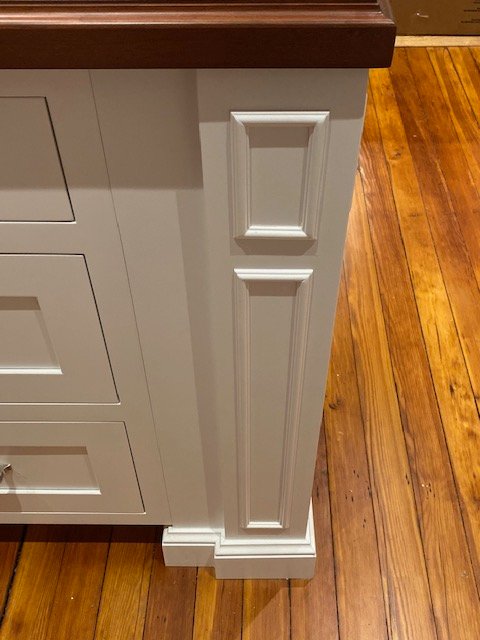
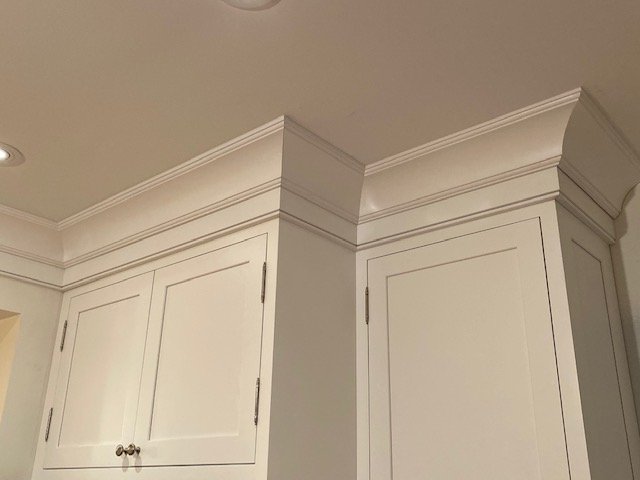
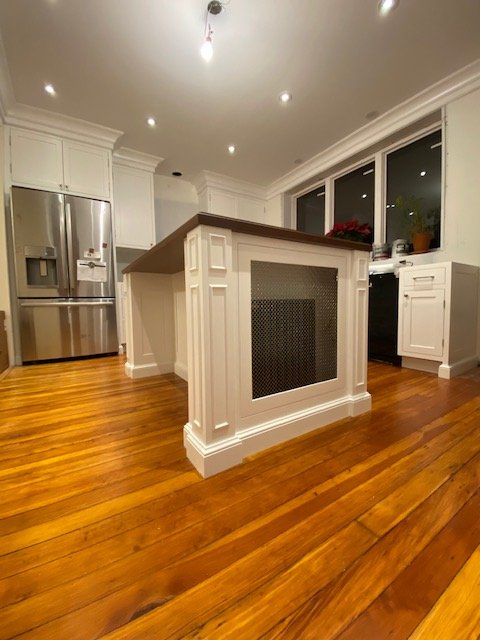
Amish shops and Shaker workshops are cousins in philosophy: build plainly, build honestly, let the use decide the form. This is the style our shop was born speaking. See a recent example in our white kitchen project.
“You can spot cheap shaker across the room once you know the tell: rail width. Production lines use one narrow width everywhere to save material. Correct shaker frames are proportioned to the door size, wider on tall doors, and the room just feels right without you knowing why.”
Hold a Real Shaker Door
Our showroom displays let you feel the difference between joined solid wood and stapled MDF. It takes about four seconds.